What Is Brainrot? The Meaning, the Origin, and the Whole Culture
A definitive explainer · compiled by the Steal a Brainrot team · updated May 2026
❶ What the dictionary says
"The supposed deterioration of a person's mental state from overconsuming trivial or unchallenging online content."
— Oxford, Word of the Year 2024
❷ What the internet says
Content so absurd it loops in your head for days — and the sprawling, self-aware culture built around loving it on purpose.
— roughly everyone under 20
Same word. The difference is who's saying it.
What Brainrot Actually Means
Here's the problem with defining brainrot: there are two definitions, and they barely agree.
The official one comes from Oxford, which named "brain rot" its 2024 Word of the Year. Their definition is a warning: "the supposed deterioration of a person's mental or intellectual state, especially viewed as the result of overconsumption of material considered to be trivial or unchallenging." In that framing, brainrot is something that happens to you. It's the fried feeling after two hours of scrolling you didn't mean to do.
Then there's how the word actually gets used by the people who use it most — teenagers and young adults. To them, "brainrot" is closer to a genre label than a diagnosis. Calling a video "pure brainrot" is a compliment. It means the thing is gloriously stupid, impossible to look away from, and probably going to be quoted at school tomorrow. It can also mean obsession: "I have Italian Brainrot" just means those memes have colonized your brain, and you're fine with it.
Both definitions are correct. The word genuinely carries both. Which one someone means depends entirely on who's talking — and that gap is the most interesting thing about it.
Where the Word Came From
Brainrot feels like a 2024 invention. It isn't. The word is 170 years old — it just took until now to find its moment. Here's the full path from a 19th-century book to Oxford's Word of the Year.
Thoreau coins it
Henry David Thoreau uses "brain-rot" in Walden, complaining that society prizes simple ideas over complex ones. The phrase sits dormant for 150 years.
The internet rediscovers it
Early Twitter users revive "brain rot" to describe the mush left behind by reality TV and aimless web browsing. Still niche.
Discord makes it a meme
During lockdown, "brainrot" spreads on Discord as shorthand for being obsessively into a niche fandom — the meaning starts to shift from insult toward identity.
Skibidi Toilet lights the fuse
The Skibidi Toilet YouTube series goes mega-viral. "Brainrot" becomes the label for an entire category of surreal, low-effort, hyper-addictive content.
Oxford Word of the Year
After 37,000+ public votes, Oxford names "brain rot" its 2024 Word of the Year. Usage had jumped 230% in a single year. The term is now officially mainstream.
The Italian Brainrot era
AI-generated Italian Brainrot characters take over TikTok. Brainrot is no longer just a word for bad content — it is a creative genre with its own cast, games, and economy.
The detail people find hardest to believe is the first one. Thoreau — Walden, the cabin, the pond — was complaining about brain-rot in 1854. He was worried society devalued hard ideas in favor of easy ones. Swap "easy ideas" for "short-form video" and his complaint reads like it was written this morning.
Brainrot the Insult vs Brainrot the Identity
When a newspaper or a worried parent says "brainrot," it's an insult. It means: this content is making kids dumber, attention spans are collapsing, something must be done. That framing is everywhere — and it isn't entirely wrong.
When a 13-year-old says "brainrot," it's identity. They're not apologizing. They're claiming membership in a culture that knows exactly how silly it is and enjoys it anyway. The self-awareness is the whole point. Gen Alpha didn't accidentally fall into brainrot — they took a word adults used to scold them and wore it as a badge.
This is a pattern. "Punk" was an insult before it was a genre. "Geek" was a playground slur before it was a LinkedIn bio. Brainrot is doing the same move in real time: a word handed down as criticism, caught mid-air, and turned into a flag.
We're not going to pretend the critics have no point — overconsumption is real, and we'll get to that. But treating brainrot purely as a problem misses what it actually is for the people inside it: a massive, collaborative, genuinely creative joke that everyone is in on.
The Brainrot Slang Glossary
You can't understand brainrot without its vocabulary. Below are 28 of the most common brainrot terms, split into the concepts, the characters, and the everyday slang. The character cards link straight to full profiles — tap any of them to actually meet the creature behind the word.
Core Concepts
the words that describe brainrot itselfBrainrot
Both the low-effort content itself and the fried-attention-span state it leaves you in. Oxford's 2024 Word of the Year.
Italian Brainrot
The dominant brainrot subgenre — AI-generated animal-object hybrids with rhyming pseudo-Italian names.
Doomscrolling
Compulsively scrolling through an endless feed of mostly negative or low-value content, unable to stop.
Skibidi
The all-purpose brainrot adjective — can mean good, bad, cool, or nothing at all, depending on tone.
NPC
Someone acting on autopilot with no original thought — borrowed from "non-player character" in games.
Brainrot Characters
tap any card to meet the character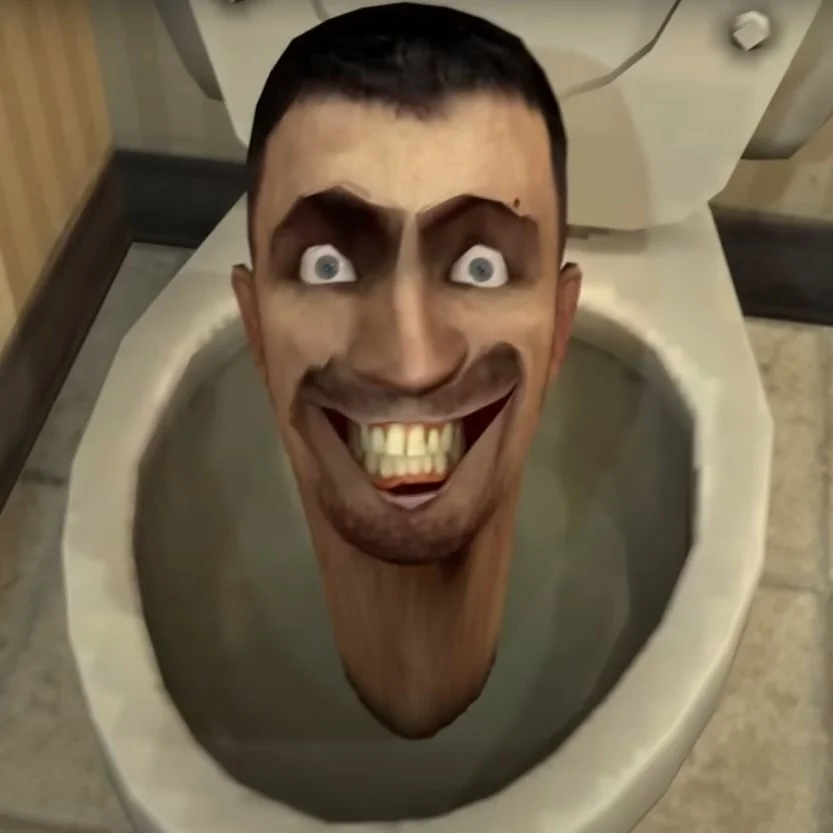
Skibidi Toilet
The 2023 YouTube series of singing heads in toilets that arguably launched the entire brainrot era.
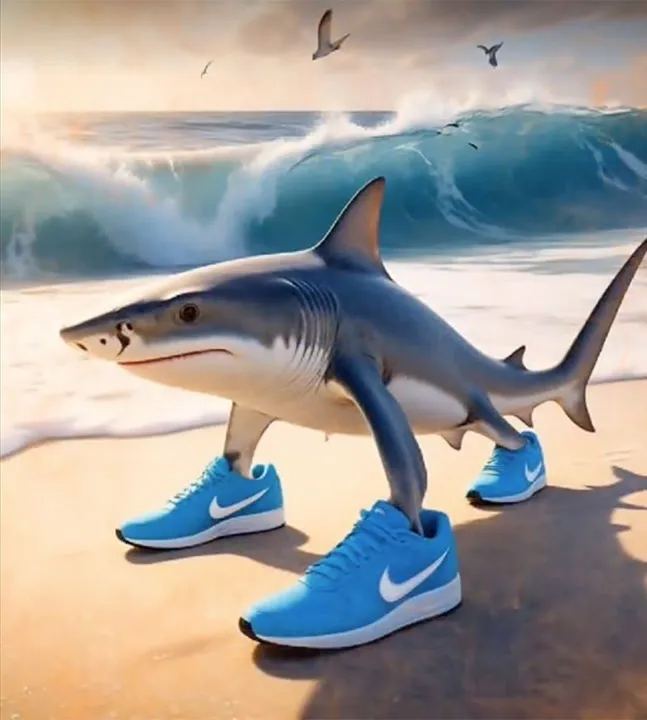
Tralalero Tralala
A three-legged shark in Nike sneakers — widely credited as the first Italian Brainrot character.

Bombardino Crocodilo
A crocodile head fused with a WWII bomber — the most recognizable Italian Brainrot character.
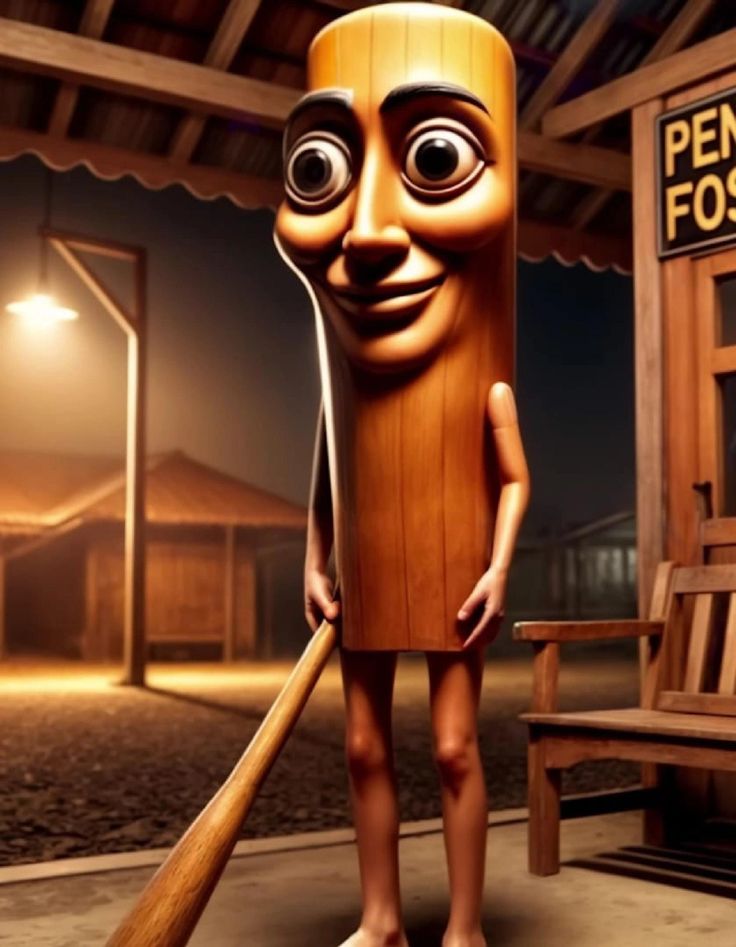
Tung Tung Tung Sahur
An Indonesian Brainrot drumming character based on the pre-dawn Ramadan wake-up tradition.

Cappuccino Assassino
A coffee-cup assassin — Italian Brainrot's take on weaponizing the espresso.
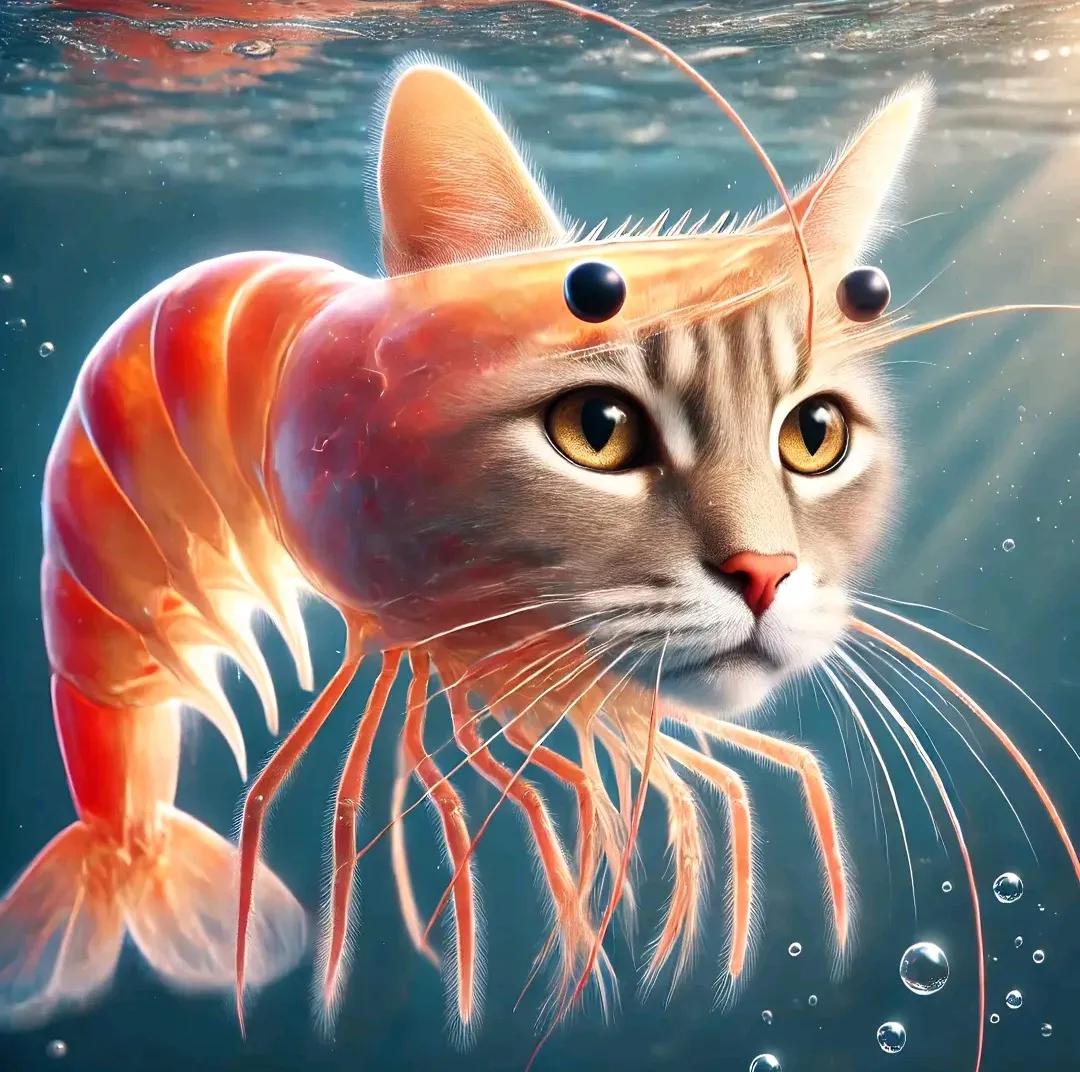
Trippi Troppi
A psychedelic octopus whose audio loop became an inescapable TikTok earworm.
Sigma
The "lone wolf" grindset archetype — endlessly mocked, endlessly meme'd. The brainrot version is Sigma Boy.
Everyday Brainrot Slang
the vocabulary, decodedGyatt
A loud reaction exclamation — originally Twitch slang, popularized by streamer Kai Cenat.
Rizz
Charisma or flirting skill. Oxford's 2023 Word of the Year.
Fanum Tax
Taking a bite of someone else's food, named after streamer Fanum.
Mewing
Pressing your tongue to the roof of your mouth for a sharper jawline — a Gen Z obsession turned meme.
Ohio
Shorthand for anything surreal or cursed — "only in Ohio."
Bussin
Extremely good, usually about food.
Sus
Suspicious or sketchy — popularized by Among Us, now general-purpose brainrot vocabulary.
Cap / No Cap
"Cap" means a lie; "no cap" means you're being honest. The cap emoji 🧢 signals disbelief.
Aura
Your perceived coolness, scored in points. Do something smooth, gain aura; embarrass yourself, lose aura.
Delulu
Short for "delusional" — believing something unrealistic, usually about a crush or an outcome.
Looksmaxxing
Maximizing your physical appearance through grooming, fitness, or more extreme routines.
Cooked
Doomed, exhausted, or beyond saving. "We're so cooked" = this is going badly.
Glazing
Excessively praising or hyping someone up, often past the point of credibility.
Mogging
Outclassing someone, usually in looks or presence, just by standing near them.
Yapping
Talking too much about nothing. A "yapper" is someone who will not stop.
Goofy Ahh
A censored-spelling intensifier — "goofy ahh" means extremely silly or ridiculous.
Types of Brainrot Content
"Brainrot" isn't one thing. It's an umbrella over several distinct content styles that share a vibe — surreal, low-effort on the surface, weirdly compelling underneath.
Italian Brainrot is the biggest by far: AI-generated animal-object hybrids with rhyming fake-Italian names. It has its own cast, lore, and games. Our Italian Brainrot guide covers it in full.
Skibidi-style surrealism came first — the Skibidi Toilet series that proved absurd, narrative-light content could pull billions of views. Slang brainrot is purely linguistic: the rizz, gyatt, sigma vocabulary spreading through speech. And fandom brainrot is the oldest meaning — being so obsessed with a show or game that it's all you think about.
They overlap constantly. An Italian Brainrot character becomes a slang term becomes a game character. That cross-pollination is why brainrot spread so fast — it isn't a trend, it's a whole connected ecosystem.
Is Brainrot Actually Bad for You?
The honest answer: it depends on dose, and we're not going to pretend otherwise.
The concern is real. Researchers link heavy consumption of fast, low-stakes content to shorter attention spans, cognitive overload, and the restless feeling that nothing slower is worth your time. If short-form video is the only thing you consume, that's worth taking seriously. Oxford didn't pick the word as a joke.
But the panic framing oversells it. Watching a Bombardino Crocodilo edit is not frying your brain any more than reading a comic strip did in 1954 — which, for the record, is also a thing people panicked about. Brainrot content is mostly harmless in normal amounts. The self-aware kids consuming it generally know it's silly; that awareness is itself a kind of protection.
The reasonable position is the boring one. Brainrot in moderation is fine — it's entertainment, and some of it is genuinely creative. Brainrot as your entire media diet, doomscrolled until 2 AM, is not. The content isn't the villain. The lack of an off-switch is.
Why Gen Alpha Owns Brainrot
Every generation has a humor that the one before it doesn't get. For Gen Alpha, that humor is brainrot — and they don't just consume it, they own it.
Ownership is the key word. Brainrot has no studio, no copyright holder, no canon. A kid with an AI image tool can invent a character on Tuesday and watch the community adopt it by Friday. There's no gatekeeper deciding what counts. That's a kind of creative freedom older media never offered, and it's why brainrot feels less like a trend handed down to kids and more like something they built themselves.
It's also a native language. Millennials learned internet culture as teenagers; Gen Alpha was born into it. To them, a surreal AI crocodile-bomber with a nonsense name isn't weird — it's baseline. Brainrot is simply what humor looks like when your first language is the internet.
Frequently Asked Questions
Now go meet the brainrot
The definitions only get you so far. The Italian Brainrot guide is where the actual culture lives — the characters, the songs, the games, the whole absurd universe.
Explore Italian Brainrot →