Italian Brainrot — The Complete Guide to the Internet's Weirdest Meme
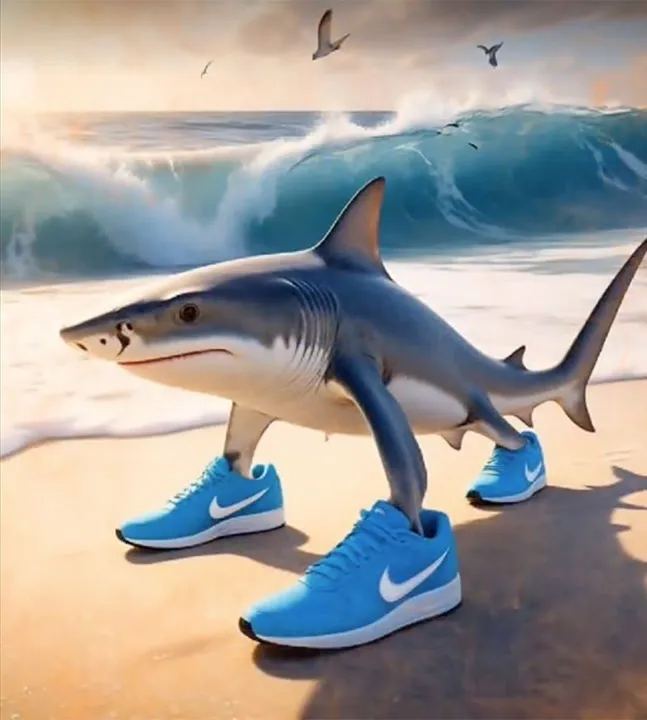
A three-legged shark in Nike sneakers started it. Eighteen months later, Italian Brainrot is Gen Alpha's native humor, a Roblox economy with hundreds of characters, and a genre that news anchors now explain on morning television. Here's the whole thing — what it is, where it came from, and why it refuses to go away.
What Is Italian Brainrot?
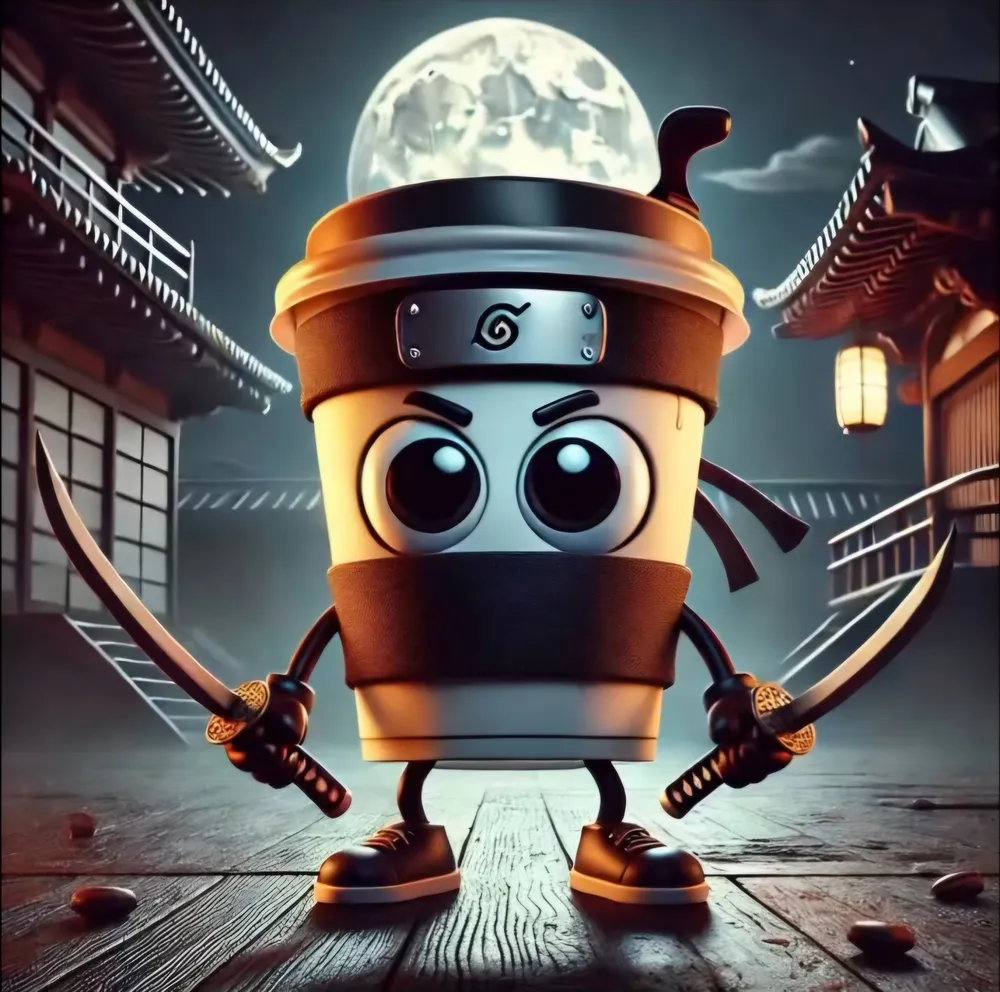
Italian Brainrot is a meme genre, and like most meme genres it's easier to recognize than define. The short version: take a real animal, fuse it with an Italian object — a coffee cup, a plate of pasta, a WWII bomber — generate the image with AI, give it a rhyming name that sounds Italian, and narrate it in a dramatic voice that may or may not be saying actual words.
Wikipedia files it under "surrealist and absurd images of AI-generated creatures who are given pseudo-Italian names." That's accurate but bloodless. What it misses is the tone. Italian Brainrot characters are presented with total seriousness — epic music, cinematic camera moves, lore — applied to a shark wearing sneakers. The gap between how seriously the format takes itself and how stupid the subject is — that gap is the entire joke.
The "brainrot" part comes from Oxford, which named "brain rot" its 2024 Word of the Year. Oxford meant it as a warning: the mental decline from doom-scrolling trivial content. Gen Alpha took the insult and wore it as a badge. "Brainrot" now describes a whole category of deliberately low-stakes, aggressively nonsensical humor — and Italian Brainrot is its dominant subgenre. If you want the full breakdown of the word itself, see what brainrot means.
One clarification, because it confuses everyone: Italian Brainrot is not from Italy, and most of the creators aren't Italian. "Italian" describes the aesthetic — the name suffixes, the operatic delivery, the rolled Rs — not the origin. Italian speakers tend to find the whole thing equal parts charming and baffling.
Where It Started
Italian Brainrot didn't appear fully formed. It assembled itself over roughly 16 months, from a throwaway audio joke in late 2023 to a genre that morning-news anchors now explain to worried parents. Here's the path it took.
October 2023
The pre-history
Internet users start pairing the phrase "Tralalero tralala" with edited clips of Dwayne Johnson. Nobody calls it brainrot yet — but the nonsense-audio formula is quietly being invented.
December 2024
"Brain rot" goes mainstream
Oxford names "brain rot" its Word of the Year, defining it as the mental decline from overconsuming trivial online content. The term now has cultural weight.
January 2025
Tralalero Tralala arrives
TikTok user @eZburger401 is credited with the original pseudo-Italian audio, and an AI image of a shark in Nike sneakers, posted on January 13, makes it blow up. It is widely considered the first true Italian Brainrot character.
February–April 2025
The founding wave
Bombardino Crocodilo, Cappuccino Assassino, and Ballerina Cappuccina go viral one after another. The community settles on the label "Italian Brainrot" for the whole genre.
Mid 2025
Global explosion
The format spreads to Indonesian Brainrot and beyond. Roblox games, trading cards, and merch appear. Italian Brainrot becomes the dominant brainrot subgenre worldwide.
2026
Mainstream and monetized
News outlets run explainers, parents debate it, and Steal a Brainrot keeps adding characters in near-weekly updates. Italian Brainrot is no longer niche — it is Gen Alpha's baseline humor.
The thing worth noticing in that timeline is how fast the middle happened. From the first character in January 2025 to global mainstream saturation took under a year. AI image tools made character creation nearly free, TikTok made distribution instant, and a generation primed for absurdist humor did the rest.
The Characters
Every Italian Brainrot character follows the same recipe but somehow none of them feel identical. Bombardino Crocodilo is a crocodile-bomber. Tralalero Tralala is the founding shark. Cappuccino Assassino is a killer barista. The Combinasion family fuses entire meals into single creatures. Each one arrives with a name, a voice, and a community-written backstory.
We cover 18 Italian Brainrot characters from Steal a Brainrot in depth, plus a few more popular ones we haven't written up yet. The full reference breaks them down by family, by wave, by rarity — and includes a pronunciation guide for the names you've been saying wrong.
Reference
Every Italian Brainrot Character
Family trees, naming patterns, pronunciation, and a wave-by-wave timeline. The complete character reference.

Italian Brainrot Songs & Sounds
The audio is half the genre. Every Italian Brainrot character comes with a signature sound — a looping chant, a beat, a dramatic voice-over — engineered to lodge in your head and not leave. Tralalero Tralala's audio became a top-20 TikTok sound. The Tung Tung Tung Sahur drumbeat is genuinely impossible to forget.
Most of these sounds aren't real Italian — they're cadenced gibberish designed to feel Italian. That's deliberate. The earworm quality matters more than meaning. Our soundboard collects the recognizable Italian Brainrot sounds in one place so you can play them on demand.
Audio
Italian Brainrot Soundboard
The signature sounds and audio loops behind every character, collected into one tappable board.
Open the soundboard →Italian Brainrot Games
Italian Brainrot didn't stay on TikTok. The biggest game built around it is Steal a Brainrot — a Roblox tycoon where you buy, place, and steal brainrot characters for passive income. It regularly sits near the top of Roblox's most-played charts. There are also browser spin-offs: clickers, merge games, idle games, all themed around the same cast.
If you just want to play right now, the Steal a Brainrot game and a stack of browser brainrot games are all playable here without a download.
Play
Play Steal a Brainrot & More
The Roblox game plus dozens of browser brainrot games — clickers, merge games, idle tycoons. No download needed for the browser versions.
Browse all games →What the Names Actually Mean
Most Italian Brainrot names mean nothing. "Bombardino Crocodilo" translates to roughly "little bomber crocodile" if you squint, but it isn't real Italian. "Tralalero Tralala" is pure onomatopoeia — the sound of humming. The names are built from rhyme and Italian-sounding suffixes (-ino, -ello, -etti), not from meaning. That's covered in depth in the naming patterns breakdown.
There is, however, a real issue worth being honest about. Some Italian Brainrot audio clips — not the character names, the narration layered on top — contain actual Italian phrases, and a few of those phrases are offensive. News outlets and parent groups have flagged specific clips where the "nonsense" voice-over includes blasphemy or slurs that younger viewers wouldn't recognize. The original Tralalero Tralala audio drew exactly this criticism.
We're not going to reproduce that language here. The point is just this: the characters themselves are harmless silly creatures, but the audio is a mixed bag. If you're a parent, the visuals and the games are fine — it's worth being aware that the specific TikTok audio versions vary, and some are not what they sound like.
For the overwhelming majority of Italian Brainrot content, "the names mean nothing" is the honest answer. The genre runs on phonetic joy, not translation.
Why Gen Alpha Is Obsessed
Ask an adult why Italian Brainrot is funny and you'll get a shrug. Ask a 10-year-old and you'll get a perfect impression of Tung Tung Tung Sahur. The generational gap is real, and it's not random.
Part of it is design. Italian Brainrot content is engineered for the exact rhythm of a TikTok feed — a hook in the first half-second, a name that's fun to say, a loop short enough to rewatch. It rewards the scroll. The absurdity is the hook: your brain can't predict what a shark in sneakers does next, so you keep watching.
Part of it is ownership. Italian Brainrot has no studio, no canon, no gatekeeper. Any kid with an AI tool can add a character, and the community decides if it sticks. That's a genre that belongs to its audience in a way Disney never could. For Gen Alpha — the first generation that treats brainrot as a native language rather than a foreign one — that ownership is the whole appeal.
And part of it is just that it's genuinely creative. Strip away the "kids these days" reflex and Italian Brainrot is a massive, collaborative, surreal art project. Sadly, that's the part most explainer articles miss.
Italian Brainrot in 2026: Where It's Going
Every meme genre ends. The honest answer is that nobody knows how much longer Italian Brainrot has — meme lifespans are measured in months, and this one has already outlived most. But a few things are clear.
The games will outlast the meme. Steal a Brainrot has built a real economy with trading, rebirth systems, and a roster that runs into the hundreds. Even when TikTok moves on, that game keeps running. If you want to see which characters are actually worth owning once the hype fades, the best brainrot ranking is the place to start.
The format will mutate. Indonesian Brainrot already proved the template travels. Expect more cultural skins, more crossovers, and eventually a successor genre that makes Italian Brainrot look quaint — the same way Italian Brainrot made Skibidi Toilet look quaint.
For now, though, it's still here, still weird, and still generating new characters every few weeks. The shark in sneakers is doing fine.
Frequently Asked Questions
Start with the characters
The fastest way into Italian Brainrot is to meet the cast — every character, organized by family, with names you can finally pronounce.