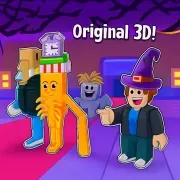
Steal a Brainrot: Original 3D







Steal a Brainrot: Original 3D
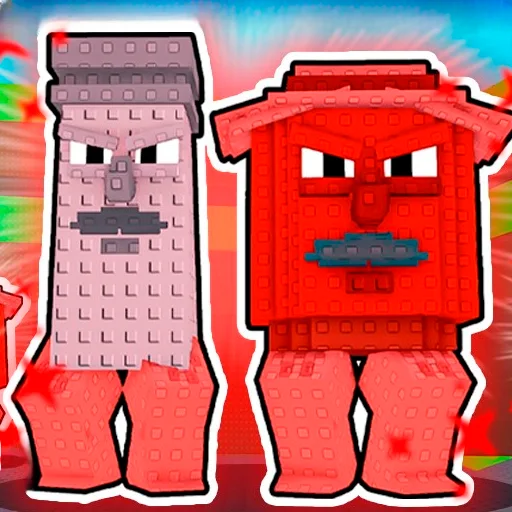
First-person brainrot hits harder. When you are used to the overhead or third-person views of other Steal a Brainrot versions, switching to Original 3D feels like putting on VR goggles for the first time. Suddenly you are inside the world, not hovering above it. Characters tower over you. Bases feel like actual buildings you are breaking into. The scale of everything shifts, and it genuinely changes how you approach the game.
The 3D perspective transforms raiding from a tactical puzzle into something closer to a heist thriller. In top-down versions, you can see the entire base layout at a glance — traps, walls, character locations, everything. In Original 3D, you round a corner and a trap is just there. You did not see it because the wall was blocking your view. Your heart rate spikes. You either dodge in time or you do not. That tension does not exist in any other version.
Character hunting changes too. Instead of scanning a flat map for spawn indicators, you are physically walking through 3D environments, checking behind structures, peeking into alcoves, and occasionally spotting a rare character silhouette in the distance. Finding a Legendary feels like stumbling onto buried treasure rather than clicking a dot on a map. The dopamine hit is real.
With 2.8 million plays, the 3D version has a dedicated following of players who refuse to go back to 2D. The graphics are not cutting-edge by AAA standards — this is still a browser game running on WebGL — but they are polished enough to create genuine atmosphere. Lighting, shadow, and depth give every zone a distinct mood that flat versions cannot replicate.
How to Play Steal a Brainrot: Original 3D
WASD to move, mouse to look around and aim. E to interact with characters and objects. Space to jump. Shift to sprint, which drains a stamina bar that regenerates when you stop running. These are standard FPS controls, and if you have played any first-person game before, you will feel at home immediately.
Exploration works differently in 3D. You cannot see through walls or over obstacles, so zone knowledge becomes critical. Learn the layout of each area — where corridors lead, which rooms have spawn points, where the shortcuts are. Players who have memorized the map navigate three times faster than those who are wandering and checking every room.
Collecting brainrot characters still uses the interact button, but the first-person view adds a spatial element. You need line of sight on the character and you need to be within interaction range. In crowded areas where multiple players are hunting the same spawn, the person who reaches it first and hits E wins. Sprinting and knowing the fastest route to spawn points matters more here than in any other version.
Base building in 3D is a whole different experience. You are placing walls, traps, and defenses from ground level, which means you need to mentally visualize how your base looks from an attacker's perspective. A trap that seems obvious from your building view might be perfectly hidden around a blind corner from an intruder's first-person perspective. The best base builders in this version think like level designers.
Raiding enemy bases requires genuine spatial awareness. You enter through whatever opening you can find, and from there it is a first-person maze. Traps can be anywhere — on the floor, behind doors, triggered by pressure plates. Check corners. Move carefully. A single trap can end your raid and cost you everything you were carrying.
Strategies & Tips
Camera control is your biggest advantage in 3D. Constantly scan your surroundings by moving the mouse smoothly — do not tunnel-vision on what is directly ahead. Peripheral awareness catches incoming raiders, nearby spawns, and hidden traps that you would miss if you stare straight forward.
Sound design matters in this version more than others. Footsteps, character spawn audio cues, and trap activation sounds give you information that the camera cannot. Turn your volume up. If you hear another player's footsteps near your base, you have a few seconds to prepare. If you hear a spawn chime in an adjacent room, you know exactly where to go.
For raiding, approach enemy bases from unexpected angles. Most players fortify their front entrance heavily and leave side approaches weaker. Look for windows, gaps in wall placement, or elevated entry points you can reach by jumping on nearby terrain. The 3D environment creates verticality options that flat versions do not have.
Base defense tip
create chokepoints with forced turns. In first person, players lose orientation when they have to make multiple quick turns in a narrow space. A zigzag corridor with traps at each turn is far more effective than a straight hallway with traps, because raiders cannot see what is around the next corner.
Spawn camping at known rare-character locations is more viable in 3D because you can hide behind cover and wait. In overhead views, other players can see you sitting there. In first person, you can crouch behind a wall, wait for the spawn audio cue, and sprint out to grab the character before anyone else reacts.
Why Play Steal a Brainrot: Original 3D Here?
The 3D version runs on WebGL and loads directly in your browser — no downloads, no plugins, no Roblox account needed. The visual upgrade over the 2D versions is significant, and the first-person perspective creates gameplay moments that other versions simply cannot offer. Play it free right here, and when you want to switch things up, 30+ other games are waiting in the sidebar.
Comments (0)
Loading comments...